
Private Equity
A business can have loyal customers, good people and a great product, and still collapse. We wanted to know why, and whether we could help.
The Hidden Cause
Much of our attention has gone to Germany, where thousands of companies are in financial distress or restructuring. Many of them have real products, loyal customers and skilled people. Their trouble often has less to do with the business itself than with a balance sheet, a financing gap or a decision that came too late. Just as often it is a question of succession. A founder reaches retirement with no one to hand the company to, a family can’t agree on who should lead, or a new generation inherits a business without the experience or the capital to run it.
We have studied these problems closely, including why handovers fail and what it takes to make them work.
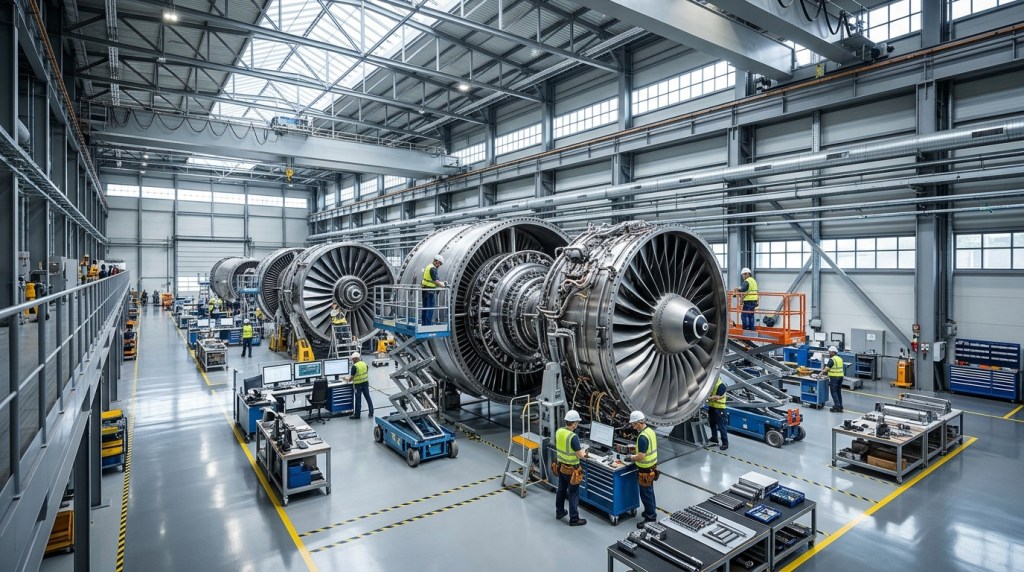
We are experts in quantitative investment
Using our unique skills to model and predict financial markets, we aim to deliver strong risk-adjusted returns to our potential clients

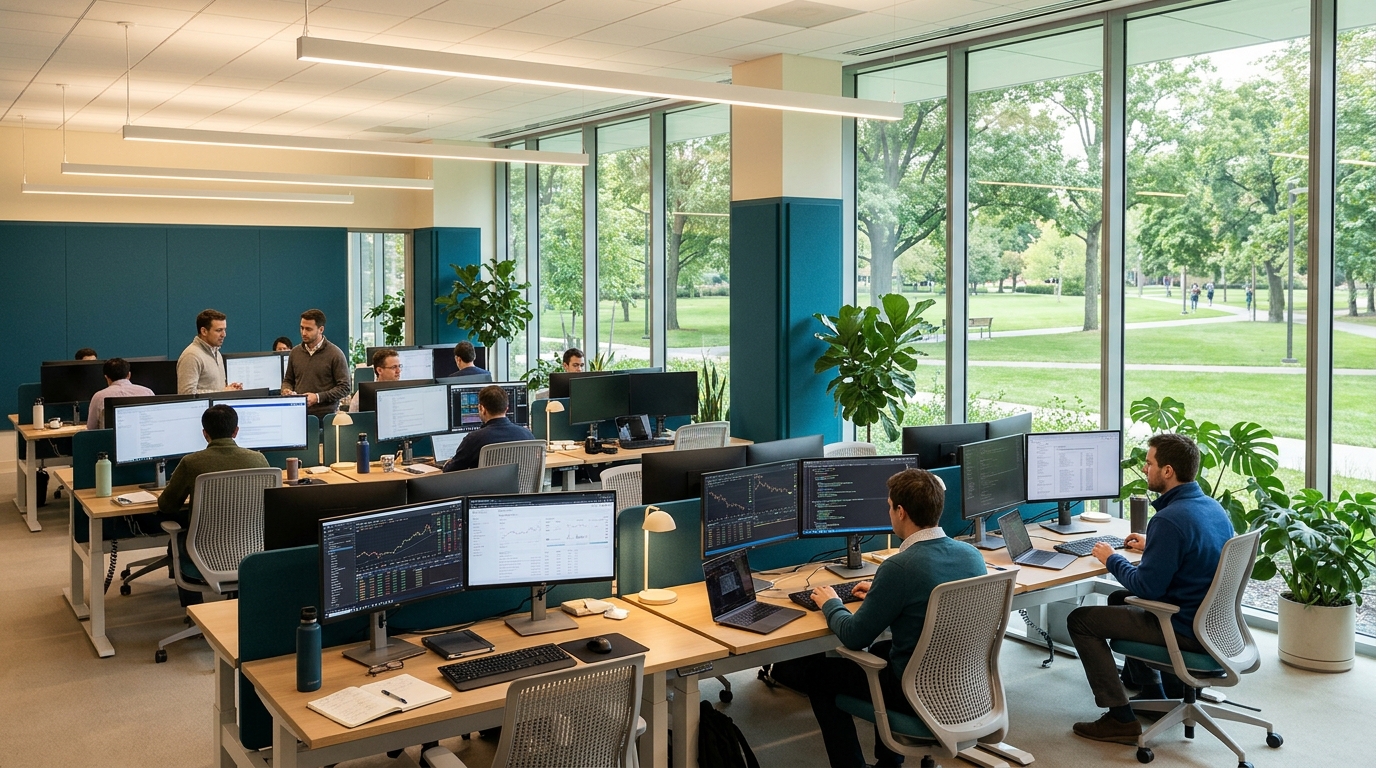
Energy Transition Partners
Changing how the world makes and uses energy will take decades and a very large amount of capital. Renewable generation, storage, grid upgrades, electrification and efficiency all need funding at the same time, while industrial demand shifts underneath them. Where that capital is allocated, and on what terms, will decide how well the transition works.
Our research covers the whole chain, from the technologies and equipment that make the transition possible to the infrastructure and businesses that keep energy systems running. We study how policy, commodity prices and falling technology costs act on one another, because a project’s economics can change when any one of them moves. A subsidy ends, a metal gets expensive, a battery gets cheaper, and a deal that worked last year no longer does.
Our Approach
We approach the sector as allocators of capital first. The questions we ask are about how much is needed, where demand is coming from, how quickly the technology is really improving, and what the commercial case looks like once the headlines are set aside. Where does the revenue come from, and how secure is it? What happens to the project if construction runs late, if connection to the grid is delayed or if power prices fall? The transition is often told as an environmental story. It is also a story about risk and capital, and that is the part we study.
Engineering judgement matters more here than almost anywhere else. We assess whether a technology performs as promised, what it costs to build and run, and where it tends to fail, because a project’s economics usually depend on those answers.
Status: macro, commodity and technical research finished. Engineering know-how in place. Preparing to launch once authorised.


Credit and Insurance
Credit is the clearest place to see risk being priced, for better or worse. Our work covers corporate lending, private lending, structured credit and asset-backed strategies, with insurers in mind as the main investors, since they need steady income over very long periods. We model the bad scenarios first: rising defaults, thin liquidity, correlations that jump.
Lending looks safe for most of the cycle and then stops looking safe all at once. Loans that seemed unrelated start to fail together, collateral is worth less than assumed, and the exit that looked available disappears. Much of our research is about that moment. Determining which structures protect the lender, which only appear to, and how much of the stated margin is payment for a risk that was never properly measured.
Status: credit risk research done and portfolio models finished. Next is building what insurers need from a manager, which is mostly reporting and governance. Preparing to launch once authorised.
Real Estate
A good address doesn’t make a good investment. Interest rates, credit conditions, demographics and demand move property more than location does, and even a well-placed building can go badly if it is bought at the wrong moment or with the wrong debt.
We’ve studied residential, logistics and commercial property across Europe, North America and Australia, and how each holds up when markets turn. Most of our attention goes to critical infrastructure real estate, where the outcome often comes down to where you build, how you get power to it, and how long it takes.
Europe also has a quieter corner: luxury homes for people who want to be left alone. We looked at specific locations across the continent, and our research suggests real demand for high-end, secluded places with privacy and security that are hard to find. It’s a small market and an unforgiving one, so site, design and build quality matter more than anywhere else.
Status: market research done for our target segments. Preparing to launch.


Infrastructure
Infrastructure is easy to take for granted until it stops working. Businesses need reliable energy, goods need to move, people need transport, and the digital economy needs networks that can keep up with demand.
Much of this infrastructure was built for an economy that looked very different from the one we have today. Electricity demand is changing, industries are becoming more dependent on technology, and supply chains are being reorganised. All of this creates new demands on existing infrastructure and the need for investment in new capacity.
At Schwarz Quant, we want to understand where these changes are leading and what they mean for investors. We look at the underlying economics, the capital required and the risks that come with investing in assets that may need to operate for decades.
We have studied these problems closely, including why handovers fail and what it takes to make them work.

Where We Focus
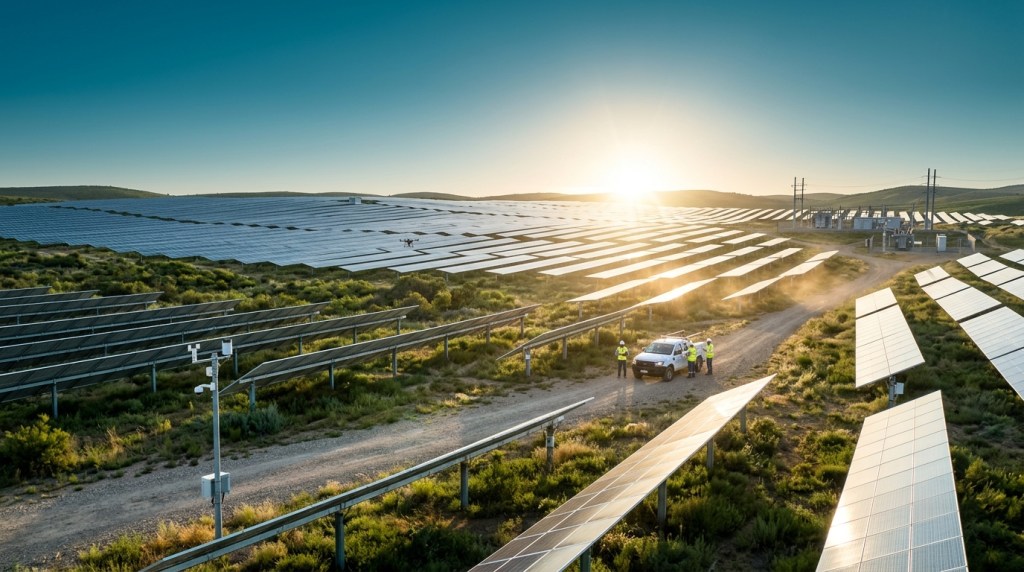
Energy Infrastructure
The energy system is changing, and the demand for electricity is growing. We look at power generation, electricity grids, storage and the infrastructure needed to deliver reliable energy to businesses and households.
Transport & Logistics
Roads, railways, ports and logistics networks keep economies moving. We study how trade, industrial development and changing supply chains are creating new infrastructure needs.

Digital Infrastructure
Data centres, fibre networks and telecommunications have become essential to modern business. The growth of cloud computing and artificial intelligence is making these assets even more important. We are interested in what this means for future investment.
Utilities & Essential Services
Water, waste management and other essential services are not always the most visible parts of an economy, but they are among the most important. We look at their long-term demand, operating economics and financing requirements.


Life Sciences
Life Sciences
Scientific discoveries can change lives, create new industries and transform healthcare. But turning a promising discovery into a successful business is rarely straightforward. It takes time, funding, research and a clear understanding of the market.
At Schwarz Quant, we are interested in the businesses behind these developments and what makes them commercially viable. We look at the science, but also at the financial and economic realities that determine whether an innovation can succeed.


Where We Focus
Biotechnology & Pharmaceuticals
We study pharmaceutical and biotechnology companies, their research pipelines, new treatments and the commercial potential of their products.
.
Medical Technology
We follow developments in medical devices, diagnostics and healthcare technologies that are changing how diseases are detected and treated.

Healthcare Innovation
We are interested in areas such as personalised medicine, advanced therapies and artificial intelligence in healthcare.
Hedge Fund
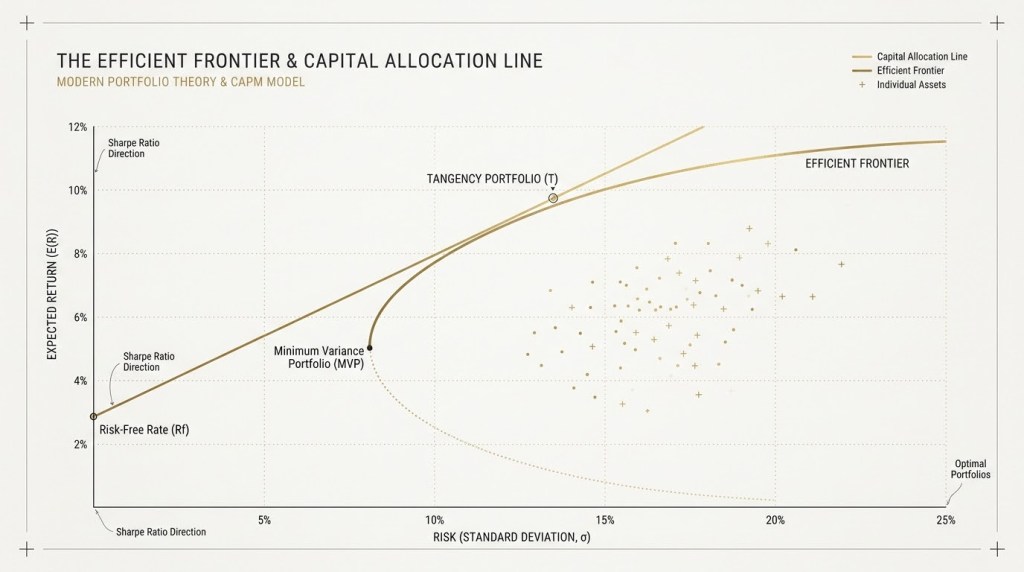
Prices don’t move for one reason. Interest rates, inflation, company results, the mood of investors and plain bad luck all play a part, and how much each one matters keeps changing.
That’s what draws us to hedge fund strategies. We want to know where the usual assumptions stop working, how different approaches hold up when conditions change, and what the data says, even when it’s inconvenient.
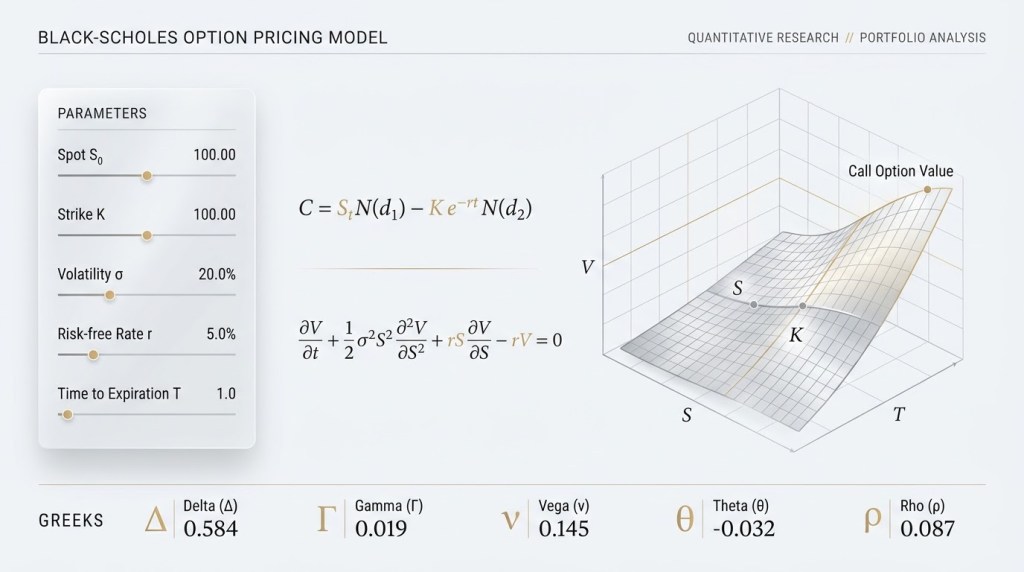
We study the Greeks closely, and we also study where they stop being reliable.


Quantitative strategies
We use data and statistics to look for relationships in markets and to test ideas properly. The first thing we ask about any pattern is whether it’s real or whether we’re fooling ourselves.
.
Global macro
Interest rates, inflation, central banks and currencies all push markets around. We study how, and how those links change from one period to the next. Part of that work is nowcasting: building models that estimate where the economy stands from data as it arrives, rather than waiting for official figures that come out weeks later.
Long/short
Sometimes the price of a business and the reality of that business drift apart. We look at those gaps on both sides, and at what would have to happen for them to close.
How we think about it
Having a view on where markets are going isn’t enough. We want to know why we believe it, what assumptions it rests on, and what would show us we’re wrong. We write that last part down before we start.
Forecasts are never certain, and ours will be wrong some of the time. Our aim is to find strategies that earn their returns for good reasons, and to be upfront about the risks.